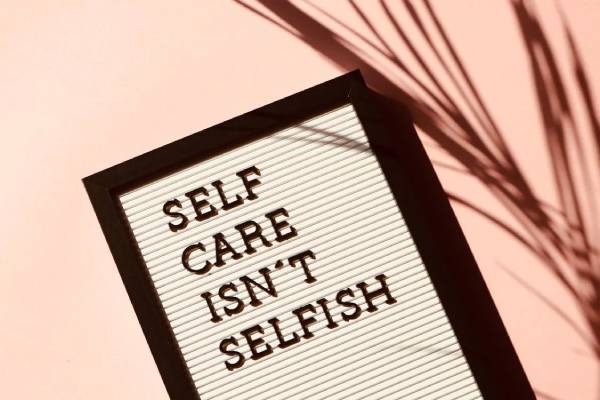
In today’s non-stop world, self-care isn’t just a luxury—it’s survival. Yet so many people struggle to establish routines that actually stick, leaving them burnt out, anxious, and wondering where all their time went.
Sound familiar?
The truth is, without a proper self-care routine, you’re slowly sacrificing your mental health, physical wellbeing, and even your relationships on the altar of “staying busy.” But what if there was a way to break this cycle without completely overhauling your life?
Why Most Self-Care Routines Fail
Let’s face it: most people approach self-care all wrong. They dive into elaborate meditation sessions, expensive spa treatments, or complicated workout regimens that quickly become unsustainable.
The result? Guilt, frustration, and even more stress than before.
What nobody tells you is that effective self-care isn’t about adding more to your plate—it’s about creating simple, sustainable habits that address what your mind and body actually need.
The Hidden Cost of Neglecting Self-Care
Before diving into solutions, consider what’s really at stake here:
- Your physical health: Chronic stress raises cortisol levels, weakening your immune system and increasing risk of serious conditions like heart disease and diabetes.
- Your mental wellbeing: Without proper self-care, anxiety and depression can slowly creep in, affecting everything from sleep quality to decision-making.
- Your relationships: When you’re constantly running on empty, the people who matter most inevitably get your leftovers—not your best self.
- Your career performance: Burnout isn’t just unpleasant—it literally shrinks your brain’s capacity to focus, create, and problem-solve.
The longer you postpone proper self-care, the steeper these costs become.
Building a Self-Care Routine That Actually Sticks
Step 1: Identify Your Actual Needs (Not What Instagram Says You Need)
Effective self-care begins with honest assessment. Ask yourself:
- When do you feel most depleted during the day?
- What activities reliably boost your energy or mood?
- What areas of wellbeing feel most neglected (physical, emotional, social, spiritual)?
Don’t skip this step. Most failed self-care attempts come from copying someone else’s routine rather than addressing your unique needs.
Step 2: Start Ridiculously Small
The biggest mistake? Trying to change too much at once.
Research shows that habits stick when they’re:
- Triggered by existing routines
- Take less than two minutes initially
- Provide immediate satisfaction
Try these “starter” self-care habits:
- Three deep breaths before checking your phone in the morning
- A 60-second stretch break every two hours
- Writing down three good things before bed
These may seem too simple to matter—but that’s precisely why they work. Once these micro-habits become automatic, you can gradually expand them.
Step 3: Protect Your Routine From These Common Saboteurs
Even the best self-care intentions get derailed by predictable obstacles:
- Time pressure: Rather than finding “extra time” (which doesn’t exist), attach self-care to existing activities. Mindful showering, walking meetings, or kitchen dancing count.
- Perfectionism: Forget the “all-or-nothing” approach. A five-minute meditation is infinitely better than skipping it because you “should” do twenty.
- Other people’s demands: Remember that boundaries aren’t selfish—they’re necessary. Practice saying “I need to check my calendar” instead of automatic yeses.
Step 4: Create Environmental Triggers
Your surroundings can either support or sabotage your self-care efforts. Smart environmental design includes:
- Keeping a water bottle visible on your desk
- Setting calendar reminders for movement breaks
- Placing your journal on your pillow
- Creating a dedicated relaxation corner in your home
By manipulating your environment, you make self-care the path of least resistance.
Self-Care for Different Life Stages
For the chronically busy:
Focus on integration rather than addition. Walking meetings, breathing exercises during commutes, and kitchen dance parties while cooking all count.
For parents:
Involve kids in your self-care when possible (family yoga, nature walks) and normalize taking short breaks for yourself. Even five minutes of quiet with a cup of tea sends powerful messages to children about healthy boundaries.
For caregivers:
Beware of guilt-driven self-neglect. Remember that maintaining your wellbeing directly impacts your capacity to care for others—it’s not selfish, it’s necessary.
Beyond Bubble Baths: Self-Care That Actually Transforms Your Life
True self-care goes deeper than surface-level pampering. Consider these often-overlooked practices:
- Emotional self-care: Learning to name feelings without judgment, setting boundaries, or working with a therapist to process old wounds.
- Cognitive self-care: Digital detoxes, consuming inspiring content, or reading material that expands your perspective.
- Social self-care: Pruning toxic relationships, deepening meaningful connections, and being vulnerable with trusted friends.
- Spiritual self-care: Connecting to something larger through nature, meditation, creative expression, or traditional religious practices.
When to Seek Professional Support
While self-care routines are powerful, they’re not substitutes for professional help when:
- Self-care feels completely overwhelming
- You’re experiencing persistent low mood or anxiety
- Physical symptoms like insomnia or chronic pain interfere with daily life
- Substance use has become a primary coping mechanism
Working with healthcare providers, therapists, or coaches can provide the structure and support needed to establish sustainable self-care foundations.
The Bottom Line
Creating a self-care routine that works isn’t about following someone else’s perfect Instagram regimen. It’s about honestly assessing your needs, starting with tiny sustainable habits, designing your environment to support those habits, and gradually expanding as these practices become part of who you are.
The most powerful self-care isn’t what drains your wallet—it’s what replenishes your wellbeing consistently, day after day.
Your future self is begging you to start now, even if it’s with something as simple as three deep breaths before moving on with your day. What small self-care habit will you begin today?
Featured Image Source: https://www.pexels.com/photo/self-care-isn-t-selfish-signage-2821823